Food Enzyme Supplier for Sauce Manufacturing
Cloud kitchen sauce factories need more than an ingredient shipment. You need repeatable texture, controlled flow, stable batch behavior, and supply support that keeps formulation work moving.
Enzymecloud supplies food enzymes for sauce, dressing, glaze, marinade, and condiment production with practical R&D guidance for pilot trials and scale-up. If you are searching for a food enzyme supplier for sauce manufacturing, our role is to help your team connect enzyme selection to measurable processing outcomes: viscosity targets, yield improvement, mouthfeel control, and batch-to-batch repeatability.
We supply manufacturers, co-packers and ingredient distributors; pack sizes, quantities and delivery are quoted per order.
For manufacturers, co-packers and resellers. To get a quote, send the product or application, the quantity you need and the destination country. Request a quote
Enzyme solutions for high-throughput sauce production
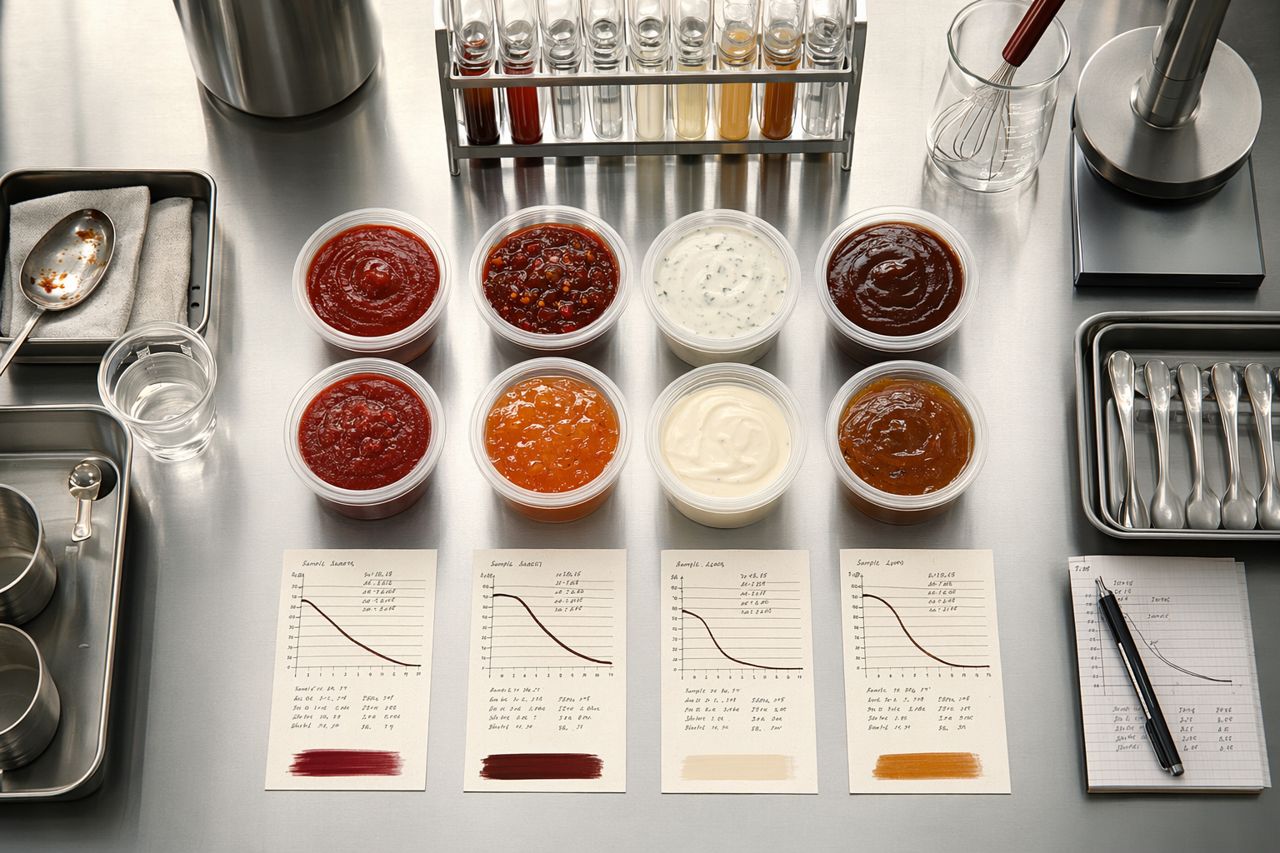
Sauce factories often run a wide matrix of products: tomato bases, chili sauces, emulsified dressings, sweet glazes, dairy-style sauces, savory gravies, fermented condiments, and regional limited-time offers. Each formula brings its own raw material variability, thermal history, shear profile, pH window, and finished texture requirement.
Enzymecloud supports enzyme selection for process goals such as:
- Adjusting pulp breakdown in tomato, pepper, fruit, and vegetable-based sauces
- Improving extractable yield from plant solids and puree streams
- Managing starch-related thickening or thinning behavior
- Supporting smoothness in particulate or fibrous sauce systems
- Reducing over-processing while protecting finished mouthfeel
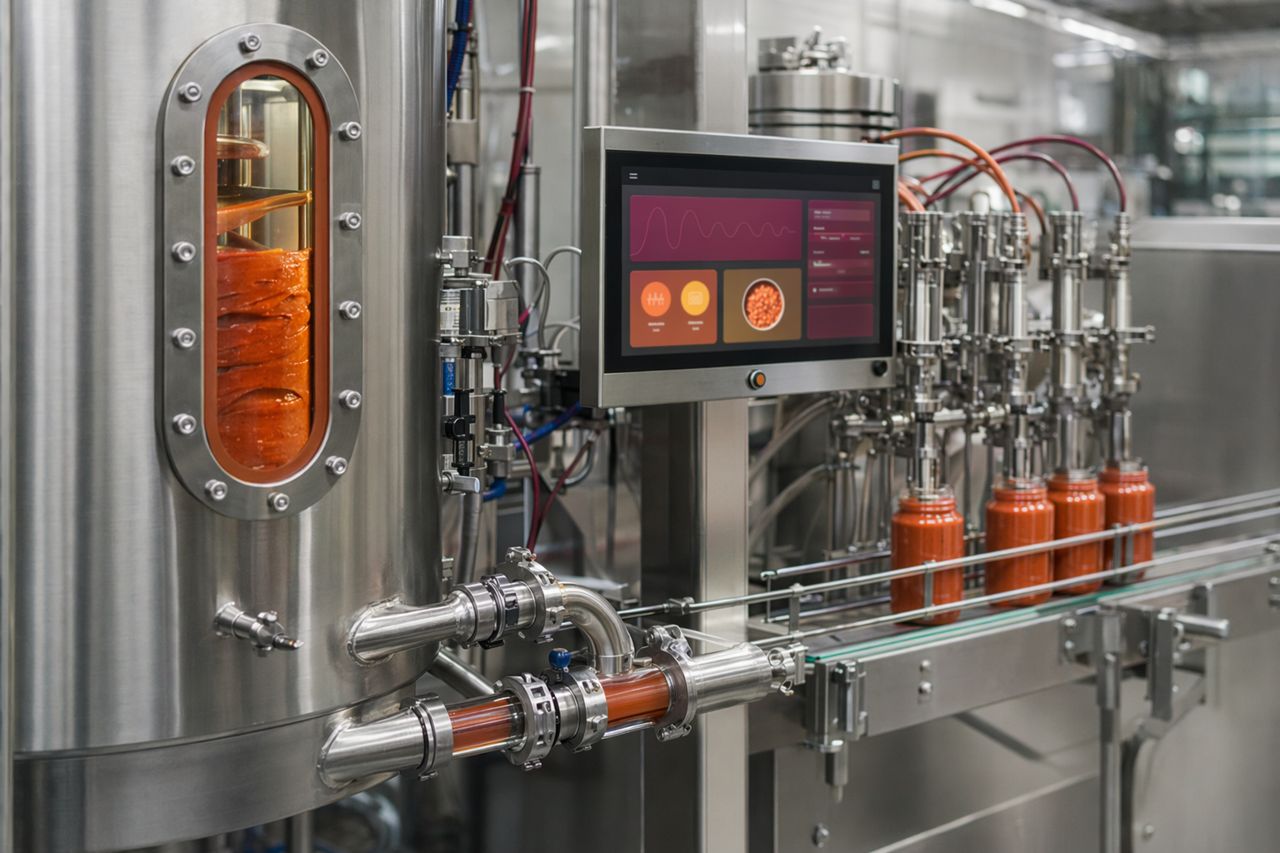
- Improving pumpability, filling consistency, and line behavior
- Building repeatable pilot protocols before larger production commitments
Fermented condiment lines: soy sauce and vinegar
In soy sauce and vinegar brewing, koji on its own does not fully break down the starch and protein in the raw material. Plants that rely on koji alone use large amounts of it and accept long fermentation times.
Condiment plants close that gap with an enzyme set that covers starch (thermostable alpha-amylase and glucoamylase), protein (acid protease) and alpha-acetolactate decarboxylase, which converts acetolactate much faster than natural oxidation does.
The business case is a lower koji requirement (or replacing koji in part of the process), a shorter fermentation, a more stable flavor and a higher yield from the same raw material.
For a condiment line quote, send the product, raw materials, current koji use and fermentation time.
Built for R&D managers, production teams, and procurement buyers
A sauce enzyme program should not force your R&D team to guess. We help translate your target texture and processing constraints into a focused enzyme shortlist, then support trial planning so your team can compare performance under realistic sauce factory conditions.
What we help clarify
- What texture problem are you trying to solve: thinning, thickening control, smoother body, better release, or less variability?
- Which raw materials are driving batch drift?
- Where should the enzyme fit: pre-cook, holding stage, blending, or another controlled process point?
- How will the enzyme be stopped or stabilized within your existing process?
- Which sensory attributes must be protected: cling, gloss, coating, pulp identity, bite, richness, or clean finish?
- What documentation and supply format are needed for purchasing and quality review?
Common sauce manufacturing applications
Tomato and chili sauce bases
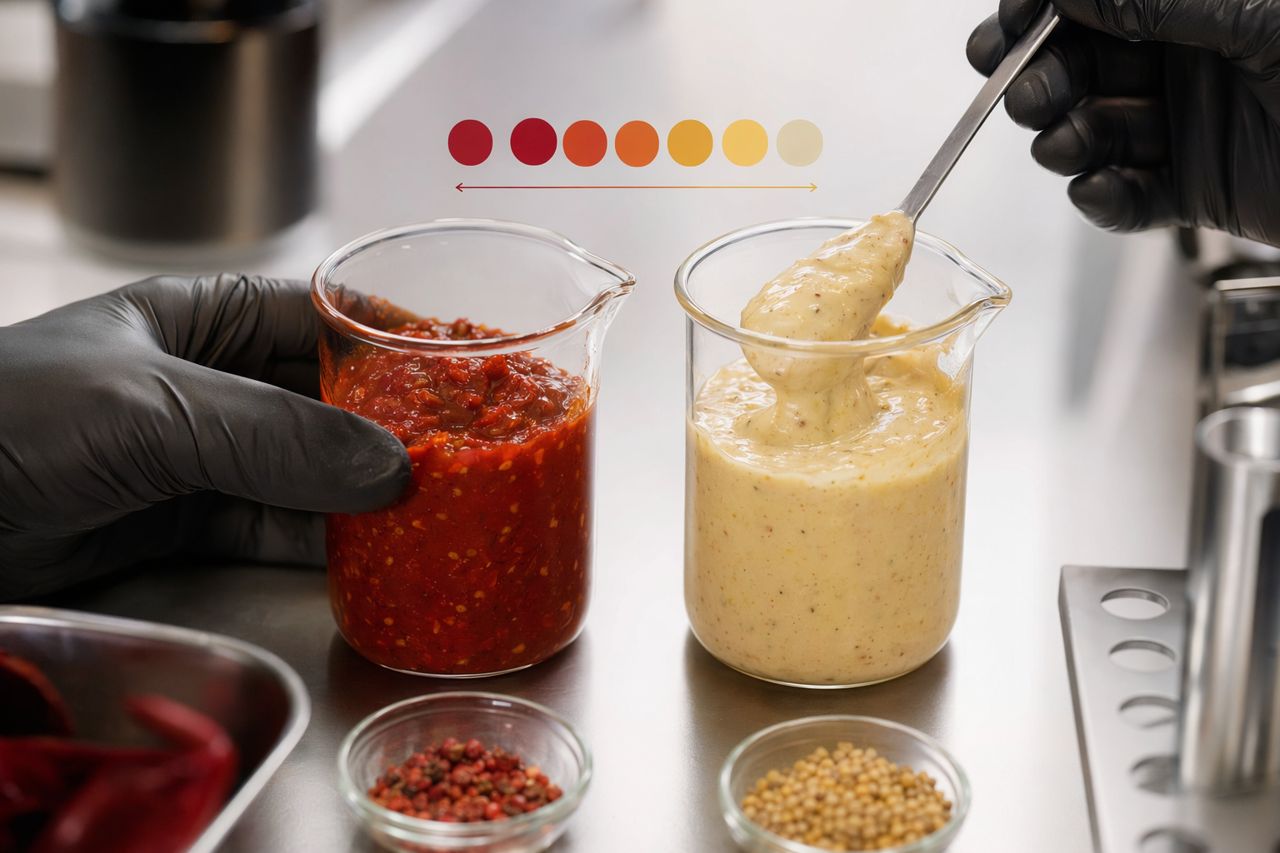
Tomato, pepper, onion, and vegetable solids can vary by season, supplier, and pre-processing method. Enzyme use may help improve solids handling, release locked-in liquid, reduce harsh fibrous texture, and create a more consistent flow profile before finishing.
Dressings and emulsified sauces
Emulsified systems need controlled mouthfeel without unpredictable thinning or separation. Enzymecloud can support enzyme screening around base preparation, ingredient compatibility, and process timing so viscosity remains intentional rather than accidental.
Glazes, marinades, and sweet-savory sauces
High-solids sauces must coat, pour, pump, and fill consistently. Enzyme-enabled modification can help manage plant-derived thickness, starch behavior, and process efficiency while protecting the sensory finish expected by restaurant and delivery brands.
Savory gravies and prepared meal sauces
Protein-rich and starch-containing systems can be sensitive to heat, holding time, and shear. We support formulation teams looking to improve smoothness, reduce graininess, or standardize texture across central kitchen and cloud kitchen production.
Our R&D-led supply approach
Enzymecloud works as a consultative supplier, not a catalog-only vendor. We help you define the desired processing outcome first, then match enzyme options to your formula, plant constraints, and commercial plan.
1. Define the sauce behavior target
Your team shares the product type, ingredient base, current pain point, target texture, processing sequence, and finished product requirements.
2. Shortlist enzyme candidates
We recommend enzyme categories and supply options suited to the sauce matrix, with attention to pH fit, temperature exposure, process hold time, and compatibility with stabilizers, acids, salts, oils, sugars, and particulates.
3. Run pilot comparisons
Your R&D or process team evaluates controlled trial batches against a baseline. We help structure the comparison around practical plant outcomes: yield, flow, filling behavior, appearance, mouthfeel, and stability.
4. Prepare for scale-up
Once the trial direction is clear, we support purchasing, production, and QA with supply details, documentation, handling recommendations, and commercial quote preparation.
Buyer value for cloud kitchen sauce factories
- Faster formulation decisions: Narrow the enzyme search before long plant trials begin.
- Better batch repeatability: Reduce raw material variability where enzyme treatment can create more controlled sauce behavior.
- Improved processing economics: Support yield, pumpability, and filling consistency without overbuilding the formula.
- Texture protection: Tune flow and body while keeping the intended mouthfeel, cling, gloss, and sensory identity.
- Procurement-ready supply: Request wholesale supply information aligned with commercial production volumes and quality review needs.
What to include in your quote request
To help us respond with the right enzyme direction and a price, include:
- Product or application, quantity and destination country
- Sauce type and ingredient base
- Current production challenge
- Desired viscosity or texture outcome
- Processing steps where enzyme treatment may be possible
- Heat exposure, acidity range, and holding constraints if available
- Trial scale and expected commercial supply needs
- Documentation requirements for your quality or purchasing team
Request a quote
Ready to evaluate enzyme options for your sauce line? Send your formulation goal, process constraints, and expected supply needs through the on-site request form. Enzymecloud will review your application and respond with a practical quote path for pilot testing or commercial supply.